
Can Dogs Eat Pineapple? Safety, Benefits & Feeding Tips
Can Dogs Eat Pineapple? Safety, Benefits & Feeding Tips
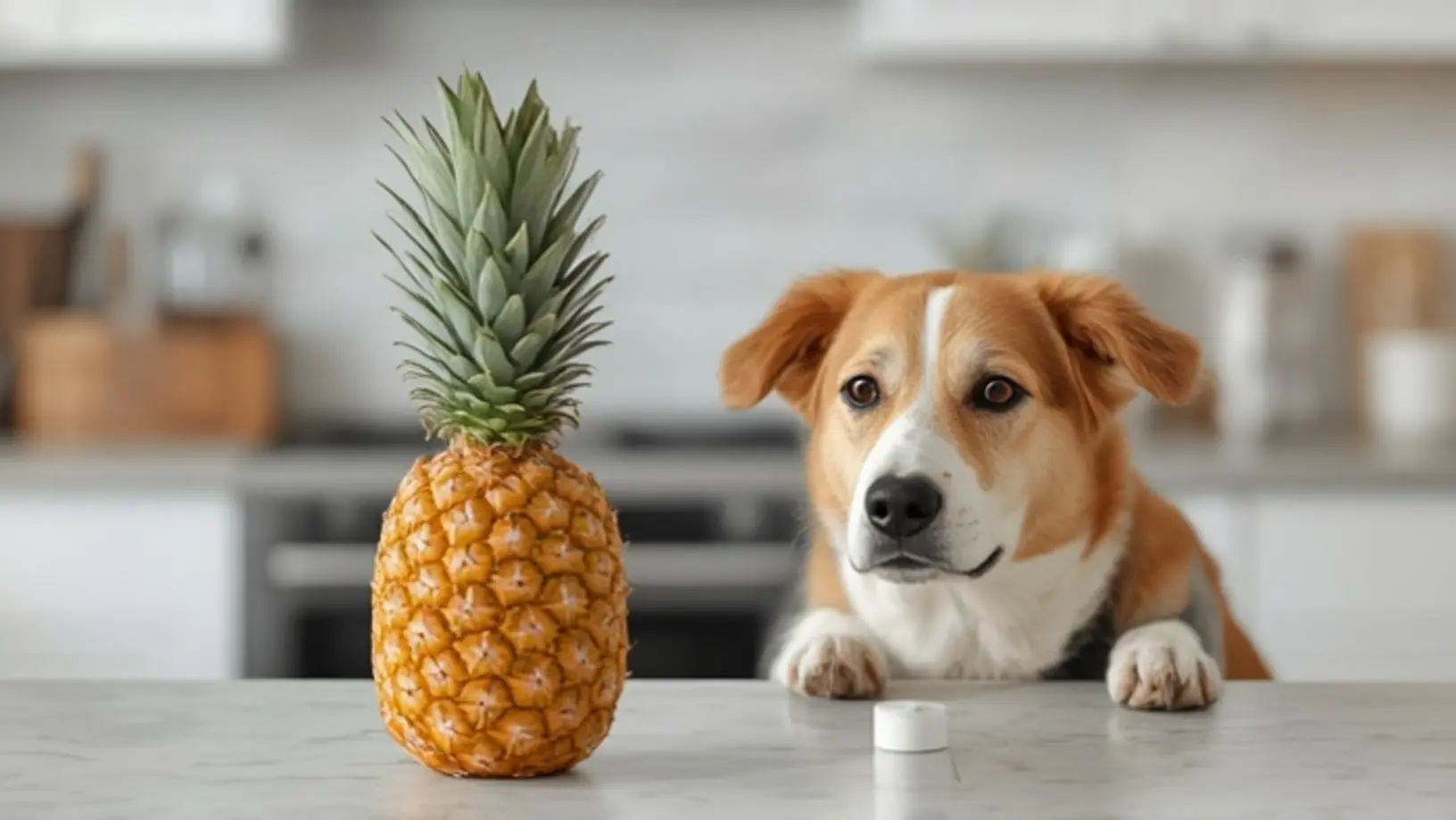
Tropical fruits often raise questions for pet owners looking to share human food with their furry companions. Many dog parents wonder can dogs eat pineapple or other sweet fruits like can dogs eat mango safely? The good news is that pineapple can be a healthy, refreshing treat for your canine friend when offered correctly. Before sharing this tropical delicacy, it’s important to understand the proper way to serve it and how it might affect your dog’s digestive system.
Table of Contents
Is It Safe for Dogs?
Yes, the fleshy part of pineapple is generally safe for dogs to eat in moderation. This tropical fruit isn’t toxic to canines, unlike grapes or certain nuts. However, safety doesn’t automatically mean it’s suitable for every dog. Some pets may have allergies or sensitive digestive systems that react poorly to new foods. The high fiber content in pineapple can cause digestive upset if introduced too quickly or in large amounts.
The Health Benefits of Pineapple for Dogs
Pineapple offers several nutritional advantages for your canine companion:
1. Rich in Vitamins – Pineapple contains vitamins C and B6, which support immune function and energy metabolism in dogs.
2. Hydration Boost – With high water content, this fruit can help keep your dog hydrated, especially during warmer months.
3. Digestive Enzymes – Pineapple contains bromelain, an enzyme that may aid digestion and reduce inflammation.
4. Minerals – This fruit provides manganese, which supports bone development and metabolic functions.
5. Natural Sweetness – Offers a healthier alternative to processed dog treats while satisfying their sweet tooth.
Risks & Things to Watch Out For
While the flesh is safe, other parts of the pineapple pose hazards:
– Tough Core – The hard central core is a choking risk and difficult to digest.
– Spiky Skin – The outer skin is indigestible and can cause intestinal blockage.
– Crown – The leafy top contains sharp edges that can damage the digestive tract.
– Sugar Content – Natural sugars in pineapple may affect dogs with diabetes or weight issues.
– Canned Varieties – Avoid canned pineapple in syrup, which contains excessive sugar and preservatives.
How to Prepare & Feed Safely
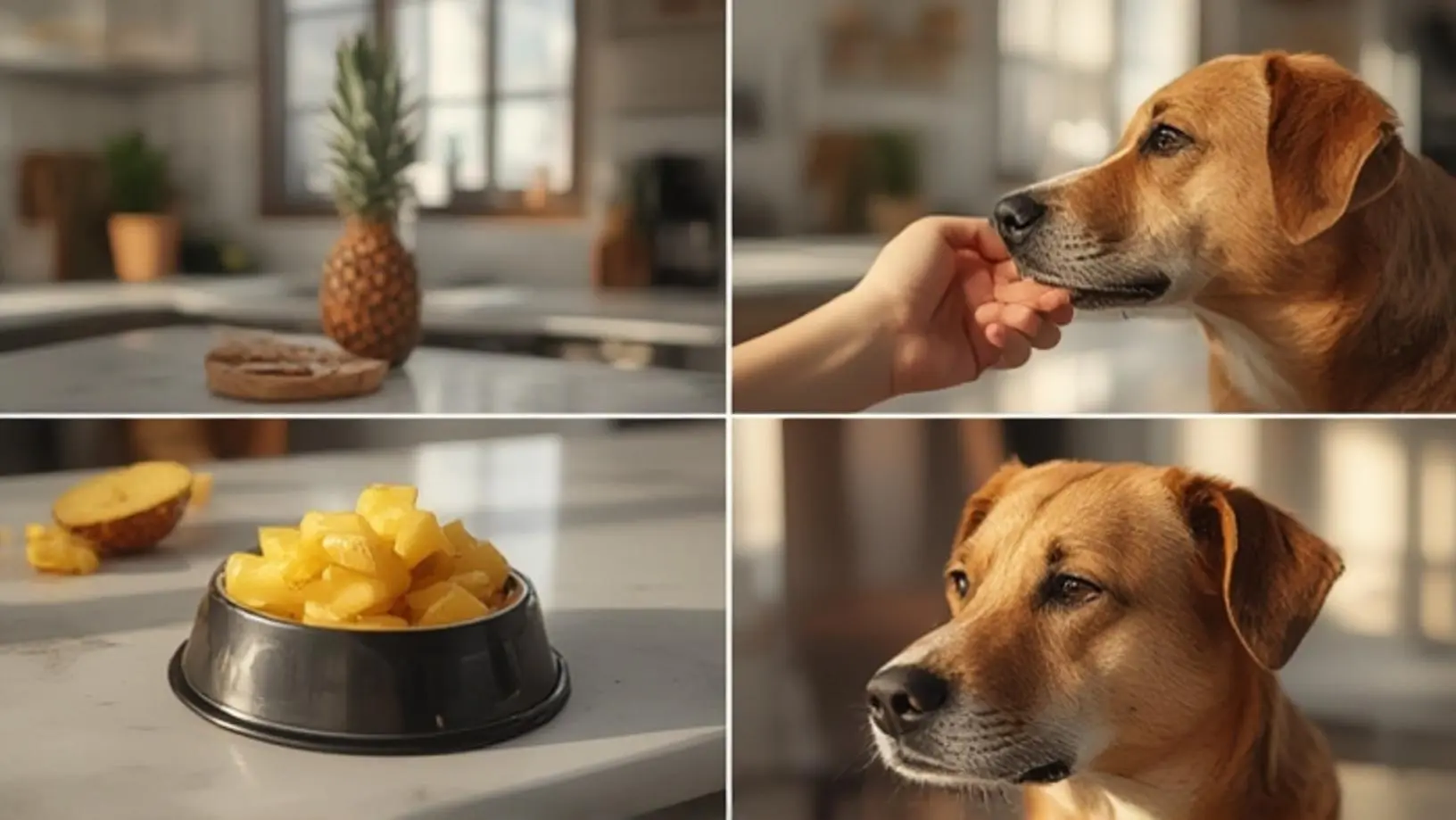
Proper preparation ensures your dog enjoys pineapple safely:
1. Select a ripe, fresh pineapple (the same way you would when wondering can dogs eat pineapple or can dogs eat mango – freshness matters).
2. Remove the outer skin completely.
3. Cut away the hard inner core.
4. Slice the flesh into small, bite-sized pieces appropriate for your dog’s size.
5. Serve plain without added sugars, syrups, or seasonings.
6. Start with a tiny amount to test for any adverse reactions.
Serving Size or Portion Guidelines
Moderation is crucial when feeding pineapple to dogs:
– Small Dogs (under 20 lbs): 1-2 small pieces (about the size of a blueberry)
– Medium Dogs (20-50 lbs): 2-3 small chunks
– Large Dogs (over 50 lbs): 3-4 small pieces
Pineapple should make up no more than 10% of your dog’s daily caloric intake. Even for large breeds, limit to a few chunks once or twice a week rather than daily.
Tips, Alternatives, or Feeding Advice
For dogs who enjoy tropical fruits:
– Freeze small pineapple chunks for a refreshing summer treat
– Mix tiny pieces with regular food for added nutrition
– Use as high-value training treats (sparingly)
– Try blending a small amount into homemade frozen dog treats
– Consider watermelon, apple, or blueberries as alternatives with lower sugar content
For puppies or seniors, introduce even more gradually and in smaller amounts. Dogs with sensitive stomachs may do better with milder fruits.
Common Mistakes to Avoid
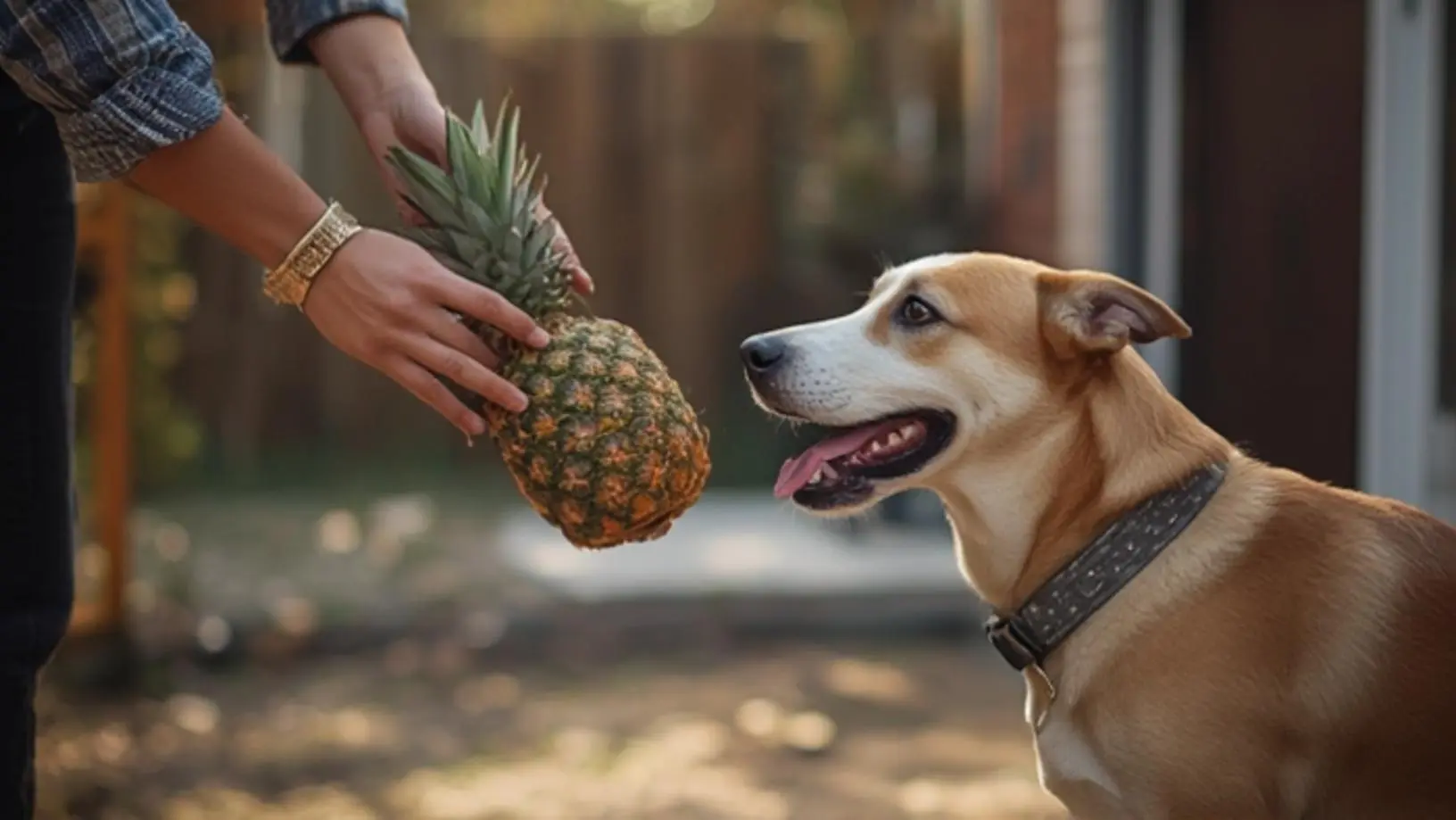
Pet owners often make these errors when sharing pineapple:
1. Offering too much too soon, leading to digestive upset
2. Feeding pineapple with the core or skin still attached
3. Giving sweetened, canned, or processed versions
4. Using pineapple as a staple rather than an occasional treat
5. Failing to monitor for allergic reactions or digestive issues
Storage / Maintenance Tips
Properly store pineapple to maintain freshness and safety:
– Cut pieces should be refrigerated in an airtight container
– Refrigerated pineapple keeps for 3-5 days maximum
– Frozen pieces can last up to 3 months
– Discard any pieces showing signs of mold or fermentation
– Don’t leave pineapple out at room temperature for more than 2 hours
Conclusion
In conclusion, dogs can safely enjoy small amounts of fresh pineapple as an occasional treat. When prepared correctly – removing the skin, core, and crown – this tropical fruit offers nutritional benefits including vitamins, hydration, and digestive enzymes. Remember that moderation is key; pineapple should complement a balanced diet rather than becoming a dietary staple. If you’re exploring tropical fruits, can dogs eat pineapple and can dogs eat mango are both valid questions with positive answers – just ensure you’re following proper preparation and serving guidelines for your specific dog.
FAQs
Can puppies eat pineapple?
Yes, puppies can have tiny amounts of pineapple, but their digestive systems are more sensitive. Introduce very small pieces and watch closely for any adverse reactions.
How much pineapple can cause diarrhea in dogs?
Even a few pieces can cause digestive upset in sensitive dogs. Generally, more than 2-3 chunks for small dogs or 4-5 chunks for larger breeds might trigger loose stools due to the high fiber content.
Is dried pineapple safe for dogs?
Dried pineapple typically contains concentrated sugars and sometimes preservatives, making it less suitable for dogs than fresh pineapple. If offering dried varieties, ensure they contain no added sugars or additives.
Can pineapple help stop my dog from eating poop?
Some pet owners report that pineapple helps reduce coprophagia (poop-eating) because it makes feces taste unpleasant. Scientific evidence is limited, but a small amount may be worth trying alongside behavioral training.
What should I do if my dog eats too much pineapple?
Monitor your dog for signs of gastrointestinal distress like vomiting or diarrhea. Provide plenty of fresh water, temporarily withhold treats, and contact your veterinarian if symptoms persist or worsen.