
Can Dogs Eat Human Food? 25 Safe & Unsafe Foods Every Owner Should Know
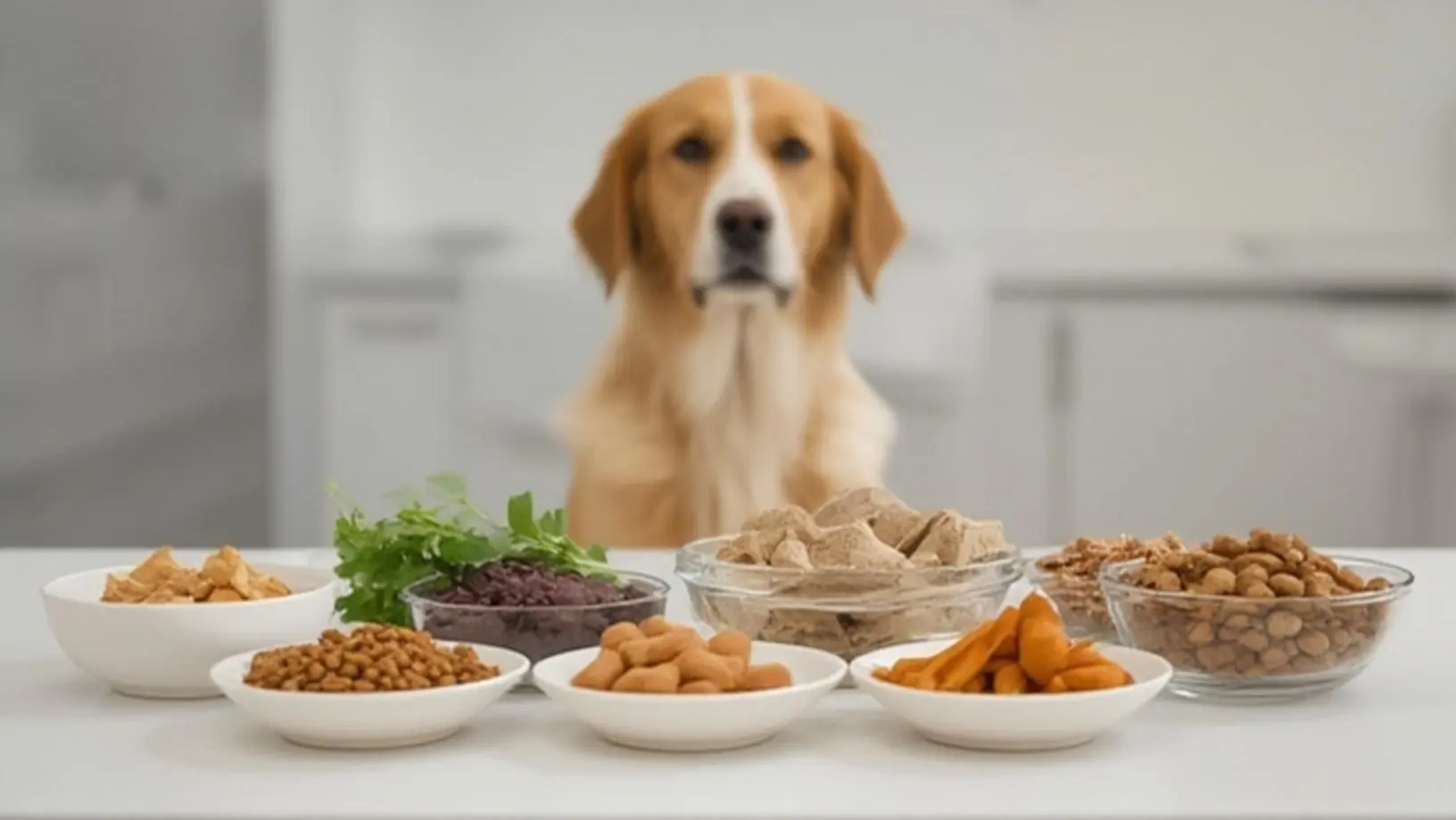
Table of Contents
Can dogs eat human food safely?
If you’ve ever stood in your kitchen holding a piece of food while your dog looks at you with hopeful eyes, you’re not alone. As a dog owner, you naturally want to share—but can dogs eat human food safely, or could that small bite cause harm you don’t see right away?
This guide gives you clear, honest answers so you can make safe feeding decisions with confidence.
Why knowing what dogs can eat really matters
What you feed your dog affects more than just their appetite. Poor food choices can slowly impact digestion, energy levels, weight, and long-term health.
Understanding what dogs can eat helps you:
- Prevent toxic food exposure
- Avoid digestive problems
- Support a balanced, healthy diet
- Reduce unnecessary vet visits
Feeding safely isn’t about being strict—it’s about being informed.
Foods dogs can eat safely (in moderation)
Some human foods are safe for dogs when prepared correctly and given in small portions.
Safe foods for dogs include:
- Apples (without seeds)
- Bananas
- Blueberries
- Carrots
- Cucumbers
- Plain cooked rice
- Plain cooked chicken (no seasoning)
- Eggs (fully cooked)
If you’re wondering can dogs eat apples or can dogs eat bananas, we’ve covered each food in detail in our individual guides.
Foods dogs should never eat
Some foods are dangerous—even in small amounts.
Unsafe foods for dogs:
- Grapes and raisins
- Chocolate
- Onions and garlic
- Avocado (especially the pit and skin)
- Macadamia nuts
- Alcohol
- Xylitol (found in sugar-free products)
According to veterinary experts at the American Kennel Club, these foods can cause serious health issues and should always be avoided.
Portion size matters more than you think
Even safe foods can cause problems if you give too much.
General feeding tips:
- Treats should make up less than 10% of daily calories
- Introduce new foods slowly
- Watch for vomiting, diarrhea, or itching
- Avoid seasoning, oils, and sauces
A small dog and a large dog don’t tolerate the same portions—feeding size always matters.
How to introduce new foods safely
When adding any human food to your dog’s diet, follow this simple process:
- Start with a very small amount
- Feed it alone (not mixed with other new foods)
- Monitor digestion for 24 hours
- Stop immediately if symptoms appear
This approach helps protect your dog’s digestive system.
Understanding digestion and stool changes
Food directly affects your dog’s digestion and poop. Changes in color, consistency, or frequency often signal dietary issues.
If you notice ongoing problems, check our dog digestion and poop guide to understand what your dog’s stool is telling you.
Can dogs eat homemade dog food?
Yes—but only if it’s nutritionally balanced. Homemade diets require:
- Proper protein ratios
- Essential vitamins and minerals
- Vet-approved recipes
Unbalanced homemade meals can cause deficiencies over time.
Frequently Asked Questions about can dogs eat
Can dogs eat human food every day?
Dogs can eat certain human foods occasionally, but their main diet should come from complete dog food.
Can dogs eat cooked food safely?
Yes, as long as it’s plain, fully cooked, and free from seasoning or harmful ingredients.
Can dogs eat fruit daily?
Some fruits are safe in small amounts, but daily fruit feeding isn’t necessary.
Can dogs eat table scraps?
Most table scraps are too salty or fatty and should be avoided.
Final thoughts: feed with confidence, not fear
Knowing what dogs can eat empowers you to care for your dog without stress or guesswork. You don’t need to memorize everything—just bookmark this guide and use it as your safety reference.
👉 Explore our detailed food guides to learn exactly which foods are safe, unsafe, and how to feed them properly.
Your dog depends on you—feed smart, stay informed, and keep them healthy 🐶💚